Look past the picturesque façade
A waterfront photograph often begins with colour: painted timber against dark water, a pale wall beneath a mountain, the warm edge of a doorway. These are useful entrances, but heritage is not simply an appearance. Buildings have been repaired, adapted, damaged and rebuilt. Their present surfaces may reveal those processes, or conceal them surprisingly well.
Before assigning a date or function to a structure, consult an official interpretation panel, a museum resource or a reliable heritage record. “Old fishing house” is not a neutral description if the building served another purpose. When identification remains uncertain, describe what you can see. A careful visual observation is more valuable than a confident caption assembled from atmosphere.
Bryggen: trade behind the familiar view
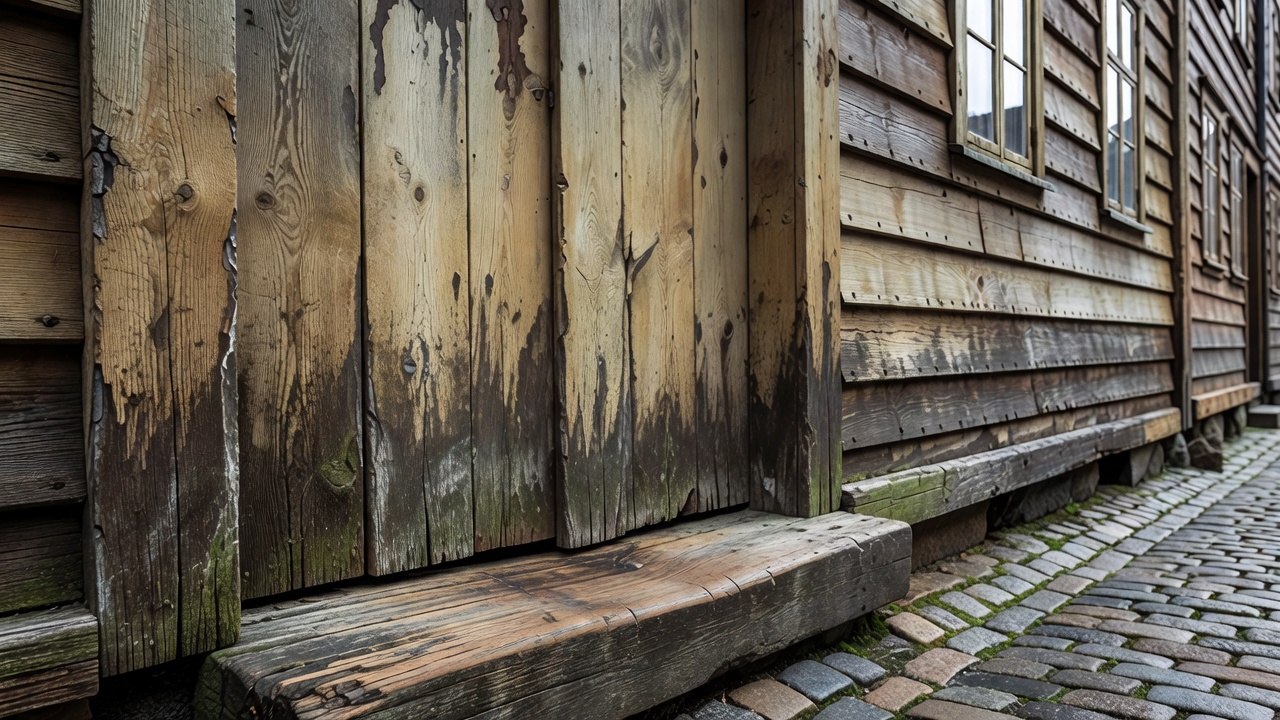
Bryggen in Bergen is a UNESCO World Heritage property associated with the Hanseatic trading presence. The familiar row of gabled buildings is only one way to read it. Where public access permits, changes in light along passages can reveal the depth of the building pattern and the relationship between the harbour-facing front and the spaces behind.
Photograph the relationship between public route and built structure without assuming every open-looking doorway is an invitation. Restoration and conservation are part of the site's continuing history, not imperfections to remove from an honest account. Pair a contextual harbour view with a permitted close detail, and use the UNESCO description or a local museum source to explain what makes the ensemble historically significant.
Undredal: a village is not a backdrop
Undredal, beside Aurlandsfjord, is known for its small stave church and goat-cheese traditions. Those associations can orient a visitor, but they do not explain every house or every resident's life. Begin at publicly accessible viewpoints and read current signs. Church access, events and photography rules may differ from what an older travel account describes.
A restrained photographic sequence might show the meeting of slope and shore, a public-facing architectural detail and an everyday sign of movement. Avoid photographing through windows or arranging residents' belongings. Ask before making identifiable close portraits. If somebody declines, accept the answer without negotiation. Respect is not merely a constraint on the picture; it changes the kind of attention you bring to the place.
Lærdalsøyri: rhythm in a timber streetscape
The historic wooden settlement of Lærdalsøyri offers a different visual rhythm from a steep-sided fjord overlook. Repeating windows, street alignments and the spacing between buildings can carry a sequence. Stand where pedestrian access is allowed and consider a slightly longer focal length to compare façades without stepping onto private land.
Do not treat the settlement as a uniform survival from one moment. A streetscape can contain several periods, later repairs and changed uses. If you want to compare a present photograph with an archival view, establish the archive's date, photographer and reuse terms. Explain differences cautiously: a missing detail may reflect a changed viewpoint rather than demolition or reconstruction.
Ålesund: read the shift in material
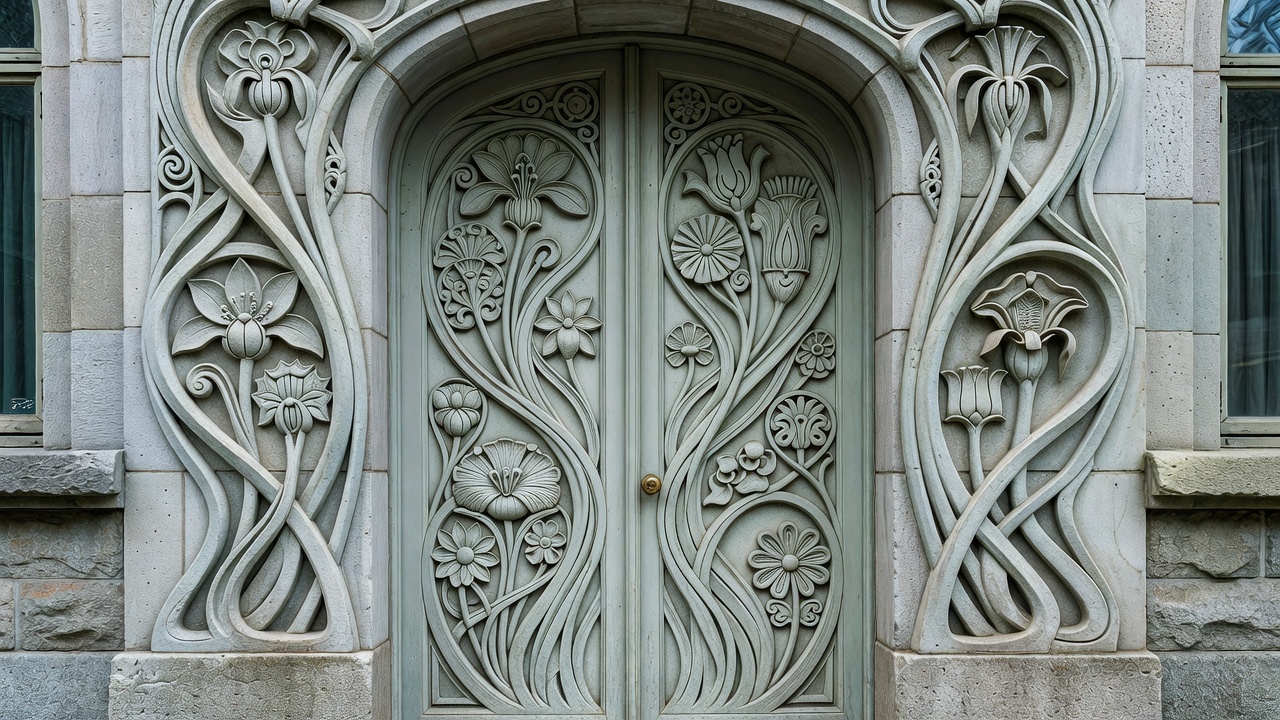
Ålesund's rebuilding after the 1904 fire produced a distinctive concentration of Art Nouveau architecture. Here, the photographic vocabulary changes from timber grain toward plaster, stone, ornament and street geometry. A detail of a doorway or decorative motif can introduce a wider view of the built environment without reducing the city to a single postcard angle.
Use a museum or architectural source to identify a particular building before naming its designer or assigning symbolism to its decoration. Visual resemblance alone is not evidence of intent. If vertical lines converge because you tilted the camera, decide whether that perspective serves the image; correction in editing is a tool, not a duty to make every façade appear diagrammatically flat.
Working water requires working courtesy
Keep clear of mooring lines, loading areas, slipways and ferry queues. A rope can tighten suddenly; a quiet quay may become busy without warning. Do not place tripods where people need to pass, and do not climb equipment for a better angle. If a worker asks you to move, move promptly rather than debating whether the location looks public.
Compose a sequence that acknowledges present use alongside historic fabric. A delivery route, a repaired board or an unobtrusively photographed public activity may explain more than a frame emptied of contemporary life. A harbour does not have to look untouched to deserve attention. Its adaptations are often the most revealing part of the story.